
South African Bitter Leaf
Vernonia amygdalina · Bitter Leaf · 南非叶 (Nán fēi yè)
Vernonia amygdalina Delile (POWO-accepted name: Gymnanthemum amygdalinum)
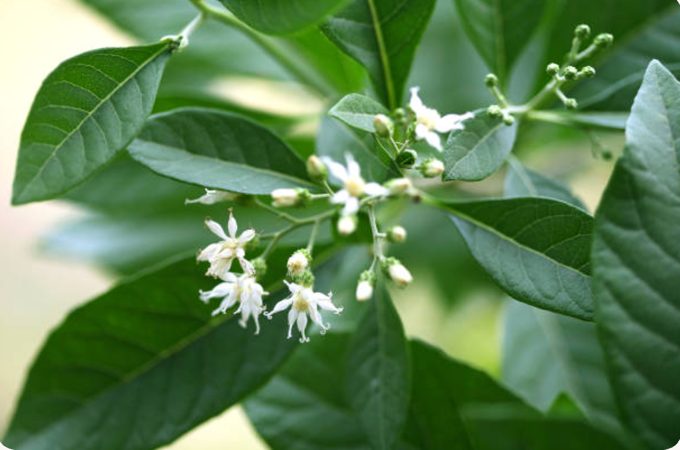
Overview
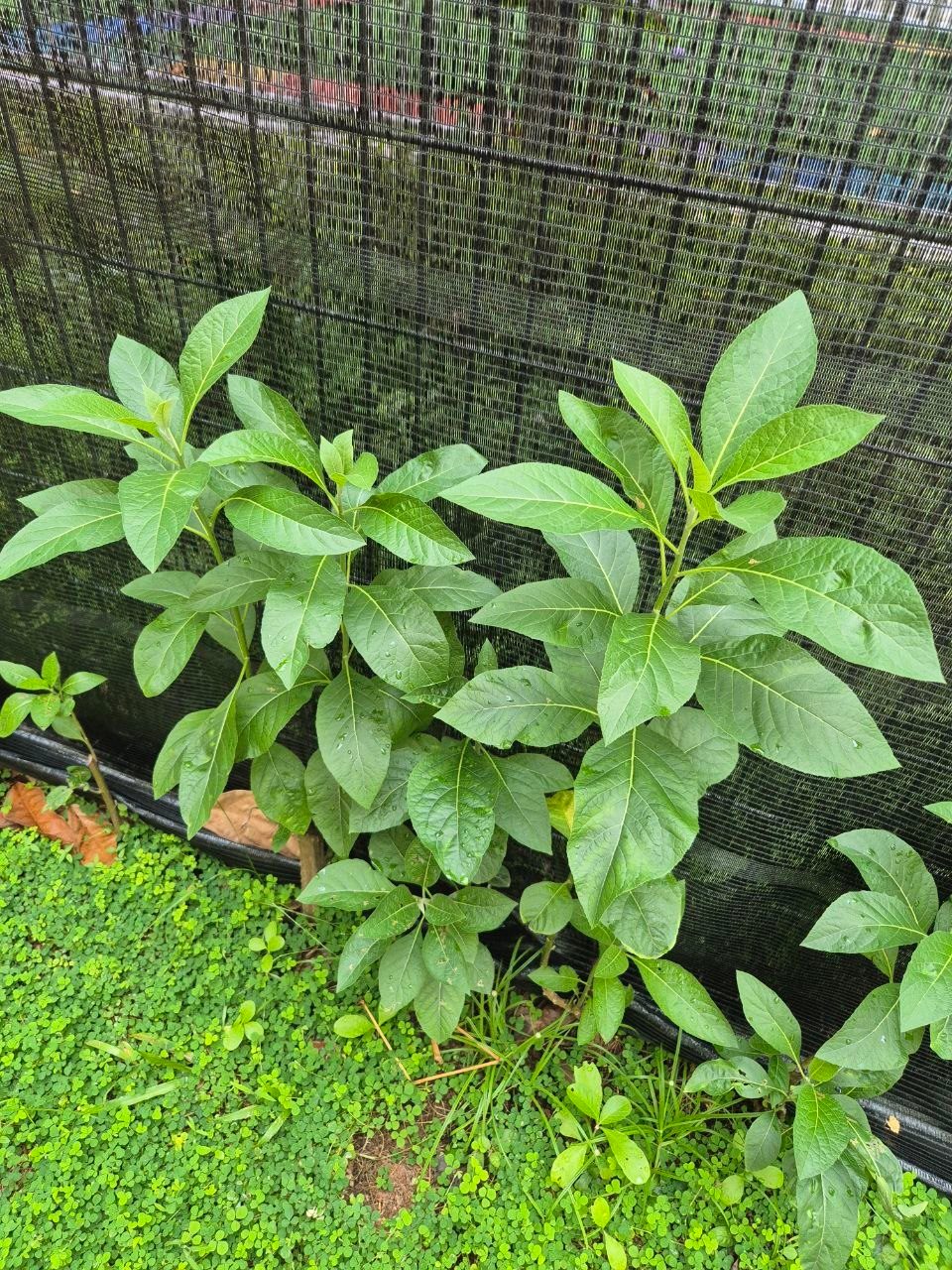
An intensely bitter shrub native to tropical West and Central Africa (Nigeria, Cameroon, Ghana, Uganda), not South Africa specifically — "South African Leaf" is a widely used local nickname rather than a description of where it grows. Known as Ewuro (Yoruba), Onugbu (Igbo), and 南非叶 in Mandarin. A staple in West African cooking (Ndoleh/Onugbu soup) as well as herbal use.
Traditional Use
One of West Africa's most important bitter tonic herbs — traditionally used to stimulate digestion and bile flow, support liver function, and as a folk remedy for malaria and fever. Widely eaten as a leaf vegetable after repeated washing to reduce its bitterness.
What the Research Shows
Note: Tier 1–4 evidence — animal and laboratory studies, with limited small-scale human data on blood sugar.
- Strong, consistent evidence across studies for bitter-tonic and digestive-stimulant action — the foundational, best-supported use of this herb.
- Animal and limited human studies support a blood-glucose-lowering effect; anyone on diabetes medication should treat this as a real interaction risk, not just a traditional claim.
- Animal studies support traditional antimalarial use, with laboratory activity confirmed against the malaria parasite.
- Laboratory studies show cytotoxic activity against several cancer cell lines — early-stage research only, not evidence of a treatment effect in people.
- Gastroprotective effects (reducing gastric lesions) shown in animal ulcer models.
How It's Traditionally Prepared
Fresh leaf decoction (10–20 g simmered 20–30 min) is the standard preparation, 1–2 cups daily. Also taken as a small-dose fresh leaf juice, or cooked into traditional soups after repeated washing to reduce bitterness.
Safety & Who Should Be Cautious
Avoid in pregnancy and breastfeeding unless supervised. Real interaction risk with diabetes and antimalarial medication — can cause hypoglycaemia if combined carelessly with blood-sugar-lowering drugs. Discontinue if fatigue or GI upset occurs with overuse.
This page is educational and reflects traditional use and preliminary research. It is not medical advice and this herb is not a registered medicine. Speak with a qualified healthcare provider before using any herb alongside existing medication or a diagnosed condition.
← Back to Local Herb Directory